How to Organize a Board Game Room: Storage, Layout & Setup Ideas

A great board game room setup starts with three things: enough space to play, comfortable seating, and organized storage that keeps your favorite games within easy reach.
Whether you are designing a dedicated tabletop gaming room, transforming your living room, or looking for small game room ideas for an apartment, the right furniture layout can make every game night easier, more comfortable, and less cluttered.
This guide shows you how to plan a board game room from the ground up, including practical room layouts, gaming table dimensions, seating clearance, storage placement, lighting, and furniture combinations.
You will also learn how to organize a game room around the games you actually play, without sacrificing valuable floor space or turning your living area into a crowded storage room.

How to Set Up and Organize a Game Room
To create an organized board game room, start by measuring your available space and choosing a gaming table that fits your regular player count. Leave approximately 30–36 inches around the table where seating and movement are required, place frequently played games near the play area, and use vertical storage for the rest of your collection.
- Measure the room, doorways, and available wall space.
- Choose a gaming table that fits your group size.
- Allow enough space for chairs and walking paths.
- Create separate playing and storage zones.
- Organize games by size and frequency of use.
- Keep dice, cards, and accessories near the table.
- Add focused lighting over the playing surface.
The best game room is not necessarily the largest. It is the one that makes playing, finding, and putting away games feel effortless.
Table of Contents
- Choose the Right Type of Game Room
- Plan Your Game Room Setup & Layout
- Small, Medium & Large Game Room Layout Ideas
- How to Organize a Board Game Room
- Choose the Right Gaming Table
- Which Table Features Improve Game Nights?
- Modular & Expandable Game Room Furniture
- Board Game Storage & Organization Ideas
- Lighting and Atmosphere
- Board Game Room Setup Checklist
- Build Your Board Game Room with BoxKing
- Frequently Asked Questions
1. Choose the Right Type of Game Room
Before buying furniture, decide how your game room will be used. A dedicated tabletop gaming room has different requirements from a shared living room or a small apartment gaming corner.
Dedicated Board Game Rooms
A spare bedroom, basement, or loft gives you more flexibility to create a permanent tabletop gaming space. You can keep a long campaign in progress, display your board game collection, and arrange furniture specifically around your gaming habits.

A dedicated game room can include:
- A central gaming table with comfortable seating.
- A storage wall for your board game collection.
- A separate area for miniatures and terrain.
- Dedicated lighting above the playing surface.
- Accessory storage near the table.
Explore dedicated board game tables designed for tabletop gaming and longer sessions.
Living Room Gaming Setups
A living room game setup needs to balance everyday furniture with tabletop gaming. The room should remain comfortable for family activities while allowing you to start a game without moving multiple pieces of furniture.

A gaming table with a removable topper can support both everyday activities and tabletop gaming. Frequently played games can be stored nearby, while larger collections can occupy a separate storage wall.
Read our guide to board game tables for living rooms for more multifunctional furniture ideas.
Small Apartment Game Rooms
Small game room ideas should focus on efficient furniture placement rather than fitting as many pieces of furniture as possible into the room.

- Choose a compact or multifunctional gaming table.
- Use vertical shelving instead of wide storage units.
- Keep the main walking path free from furniture.
- Store accessories in trays or compact organizers.
- Keep oversized games in dedicated storage spaces.
For more furniture selection advice, read how to choose a board game table for your apartment .
Garage and Basement Game Room Conversions
Larger garages and basements can accommodate dedicated gaming zones for RPG campaigns, miniature wargames, large strategy games, and hobby activities.
Before placing furniture, check ventilation, humidity, lighting, temperature control, and access to electrical outlets. Board games and wooden furniture should be protected from excessive moisture and temperature fluctuations.

2. Plan Your Game Room Setup & Layout
The most important step in planning a board game room is measuring the space before choosing your gaming table and storage furniture.
A table may fit inside a room on paper but still leave too little space for chairs, players, open cabinet doors, or movement during game night.
Measure Your Available Space
- Measure the usable length and width of the room.
- Mark doors, windows, outlets, and fixed furniture.
- Measure the external dimensions of your gaming table.
- Account for chairs when they are pulled out.
- Reserve additional space for shelves and cabinets.

How Much Space Do You Need Around a Gaming Table?
As a general planning guideline, allow approximately 30–36 inches of clearance on sides where players need to sit or move. Allow more space when a main walking route passes behind occupied chairs.
Gaming Table Room Size Formula
Room Width = External Table Width + Left Clearance + Right Clearance
Room Length = External Table Length + Front Clearance + Rear Clearance
Add the depth of any storage furniture that occupies the same clearance area.
| Example External Table Size | With 30" Clearance | With 36" Clearance | Typical Use |
|---|---|---|---|
| 3 × 4 ft | 8 × 9 ft | 9 × 10 ft | Compact gaming area |
| 3 × 5 ft | 8 × 10 ft | 9 × 11 ft | Small group gaming |
| 4 × 6 ft | 9 × 11 ft | 10 × 12 ft | Family and strategy games |
| 4 × 8 ft | 9 × 13 ft | 10 × 14 ft | Large games and RPG setups |
Gaming Table Clearance Diagram
Illustrative layout only. Clearance is measured from the external table edge to the nearest obstruction. Additional room may be required behind occupied chairs.
Plan Seating Around Your Gaming Table
Choose seating that works with the table height, playing surface, and the number of people you regularly host.
Comfortable seating is especially important for long strategy games, Dungeons & Dragons campaigns, miniature wargames, and games that require players to remain seated for several hours.

Browse gaming tables and chairs when planning a coordinated room setup.
3. Small, Medium & Large Game Room Layout Ideas
Not every board game room needs the same furniture. The following illustrative layouts show how different room sizes can accommodate a playing area, seating, storage, and circulation space.
Small Game Room Ideas: Compact Layout
A small game room works best when the table remains proportional to the available space and storage occupies vertical wall space instead of the main circulation area.
- Table: Compact gaming or coffee table.
- Storage: Vertical shelves or modular organizers.
- Seating: Compact chairs suited to the table.
- Layout: Keep a clear route between the door and table.

For additional storage ideas, explore our small game room board game storage guide .
Medium Game Room Ideas: Family and Group Gaming
A medium-sized board game room can support a central gaming table, regular group seating, and a dedicated storage area for games and accessories.
- Table: Rectangular gaming table suited to the regular group.
- Storage: Modular shelves along an available wall.
- Accessories: Dice trays, card holders, and cup holders.
- Lighting: Focused lighting over the play area.

Large Game Room Ideas: Dedicated Hobby Space
Larger rooms can accommodate separate zones for tabletop gaming, miniature painting, terrain storage, and game preparation.
- Table: Large or modular gaming table.
- Storage: Dedicated board game storage wall.
- Hobby zone: Separate surface for miniatures and terrain.
- Accessories: Organized storage for RPG and wargaming equipment.

Compare Game Room Furniture Combinations
| Room Type | Gaming Table | Storage Solution | Layout Priority |
|---|---|---|---|
| Small apartment | Compact gaming or coffee table | Vertical modular storage | Save floor space |
| Shared living room | Gaming table with topper | Nearby shelves or closed storage | Multifunctional furniture |
| Family game room | Rectangular gaming table | Modular board game shelves | Comfortable group seating |
| Dedicated hobby room | Large or modular gaming table | Storage wall and accessory organizers | Separate activity zones |
4. How to Organize a Board Game Room
The easiest way to organize a game room is to divide it into three functional zones: the playing zone, the frequently used storage zone, and the main collection storage zone.
This approach keeps the gaming table clear, reduces unnecessary movement during play, and makes it easier to find and return games.
Zone 1: Playing Area
Reserve the gaming table for boards, cards, player mats, miniatures, and active game components.
Keep unused game boxes and unrelated items away from the playing surface.
Zone 2: Nearby Storage
Keep frequently used games, dice, card holders, token trays, and other accessories within convenient reach of the table.
Zone 3: Main Collection
Use shelves and modular storage furniture for the wider board game collection, expansions, oversized boxes, and less frequently used games.

Organize Games by Frequency of Use
| Game or Accessory Type | Recommended Location | Organization Benefit |
|---|---|---|
| Frequently played games | Easy-to-reach shelves near the table | Faster game setup |
| Large and heavy game boxes | Suitable lower shelves | Easier lifting and access |
| Small card games | Compact compartments or bins | Less wasted shelf space |
| Dice, tokens, and accessories | Dedicated organizers | Reduced tabletop clutter |
| Expansions and seasonal games | Separate labeled storage | Easier collection management |
Keep Accessories Close Without Crowding the Table
Dice trays, cup holders, card holders, and component organizers help keep the playing surface available for the game itself.
Explore gaming table accessories that support a cleaner and more functional tabletop setup.
Keep the Main Walking Path Clear
Avoid placing storage units directly behind chairs if they reduce the available seating clearance. Leave enough space to open cabinet doors, remove game boxes, and walk through the room.
For a growing collection, consider GamePillar tabletop game organizers and other modular storage solutions that can be configured around your available space.
5. Choose the Right Gaming Table
Your gaming table is the centerpiece of the room. Choose its size and features based on your regular group size, the games you play, and the amount of usable space available.
Match the Table to Your Gaming Habits
| Gaming Style | Table Priorities |
|---|---|
| Solo and two-player games | Compact footprint and easy access |
| Family board games | Comfortable seating and convenient reach |
| Large strategy games | Enough usable space for boards and components |
| Dungeons & Dragons | Player areas, maps, dice, and DM equipment |
| Miniature wargaming | Battlefield dimensions and terrain space |
| Shared dining and gaming | Multifunctional design and removable topper |
Compare Gaming Table Options
Kingswood Coffee Table
Explore this option for compact gaming areas and multifunctional living rooms.
Explore Coffee Table
Kingswood Gaming Table
Explore wooden gaming tables for family game nights, strategy games, and shared living spaces.
Explore Kingswood
Project Ironside
Explore a modular gaming table option for dedicated tabletop gaming rooms.
Explore IronsideConsider Table Shape and Player Reach
Table width is just as important as table length. A very wide table may make it difficult for players to reach the center of the board, while different table shapes can influence seating arrangements and room layout.

For a more detailed comparison, read our complete guide to choosing a board game table .
6. Which Table Features Improve Game Nights?
A functional game room depends on more than table size. The right gaming table features can help reduce clutter, improve organization, and make longer sessions more comfortable.
| Table Feature | Practical Benefit |
|---|---|
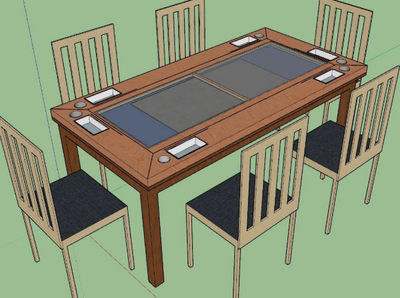
| Recessed playing area | Creates a defined space for game components |
| Removable tabletop | Supports multifunctional room use on compatible tables |
| Cup holders | Keeps drinks away from the main playing surface |
| Dice and component trays | Helps contain small game pieces |
| Card holders | Organizes cards without occupying unnecessary table space |
| Modular accessories | Allows compatible setups to adapt to different games |
Choose features based on the games you regularly play rather than purchasing accessories that will rarely be used. Check compatibility with your specific gaming table model.

7. Modular & Expandable Game Room Furniture
Your board game collection and gaming habits may change over time. A modular furniture setup can help your game room adapt without requiring a complete redesign.
When selecting furniture, consider whether the available configurations can accommodate future changes in player count, game size, storage requirements, and room layout.

- Plan for future board game collection growth.
- Choose storage configurations that fit your wall space.
- Check compatibility before purchasing expansion components.
- Keep additional furniture out of main walking paths.
Learn more about modular gaming table configurations and modular board game storage systems .
8. Board Game Storage & Organization Ideas
Storage furniture should support the room layout instead of competing with the gaming table for valuable floor space.
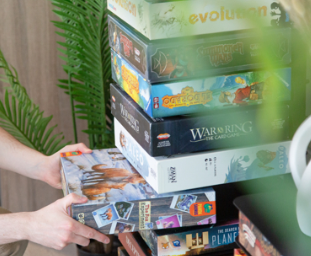
Use Vertical Board Game Storage
Vertical shelves can accommodate a growing board game collection while leaving more usable floor space for seating and movement.
Measure the height, width, and depth of your largest game boxes before selecting shelves. Check the usable internal dimensions and load limits of each storage compartment.

Choose Storage Based on Your Collection
| Collection Type | Storage Priority | Suggested Solution |
|---|---|---|
| Small collection | Easy access and compact footprint | Compact shelving or storage furniture |
| Growing collection | Flexible organization | Modular storage shelves |
| Large collection | Capacity and clear classification | Dedicated storage wall |
| Oversized games | Internal shelf dimensions and load limits | Appropriately sized storage compartments |
| Accessories and expansions | Fast retrieval and separation | Dedicated tabletop organizers |
Integrate Hidden Storage in Shared Rooms
If your game room is also a living room, consider using closed cabinets, storage benches, or other multifunctional furniture to keep less frequently used items out of sight.

Keep Your Collection Easy to Maintain
Leave some spare storage capacity for future games, avoid unstable stacks, and keep heavy boxes in suitable lower compartments. Secure tall furniture according to the manufacturer's installation instructions.
Explore BoxKing's board game storage solutions for different collection sizes and room layouts.
Explore Modular Board Game Shelves9. Lighting and Atmosphere for Your Game Room
Good game room lighting should make cards, boards, miniatures, and rulebooks easy to read while creating a comfortable environment for longer gaming sessions.
Ambient Lighting
Provides general room illumination. Use comfortable, even lighting to reduce dark areas and harsh contrasts.
Task Lighting
Focuses light on the playing surface so players can read cards, character sheets, and detailed game components.
Accent Lighting
Adds atmosphere through compatible LED lighting, shelf lighting, and decorative fixtures without replacing functional lighting.
Position lighting to reduce glare on cards, screens, and glossy game boards. Keep electrical cables away from walking paths and follow installation instructions for lighting equipment.
10. Board Game Room Setup Checklist
Before purchasing furniture or reorganizing your game room, use this checklist to make sure your setup supports both gaming and everyday use.
- Measure the usable room width and length.
- Check doorways, windows, outlets, and fixed furniture.
- Choose a gaming table based on your regular player count.
- Check the actual external table dimensions.
- Allow sufficient seating and walking clearance.
- Measure the depth of your storage furniture.
- Check the dimensions of your largest game boxes.
- Keep frequently used games near the playing area.
- Create dedicated storage for cards, dice, and accessories.
- Plan functional lighting above the gaming table.
- Keep doorways and main circulation paths clear.
- Reserve storage space for future collection growth.
11. Build Your Board Game Room Setup with BoxKing
Creating the ultimate board game room is about finding the right balance between playing space, comfortable seating, organized storage, and furniture that fits your home.
Whether you are looking for small game room ideas or designing a dedicated tabletop gaming space, BoxKing offers gaming tables, modular storage furniture, and accessories to help you build a setup around your gaming habits.
Gaming Tables
Explore gaming table options for family games, RPG campaigns, strategy games, and multifunctional living spaces.
Shop Gaming TablesBoard Game Storage
Organize your collection with storage furniture designed around tabletop gaming.
Shop Board Game StorageGamePillar Organizers
Explore modular organization options for your tabletop gaming space and growing collection.
Explore GamePillarBuild a Game Room That Works for You
Start with the right gaming table, organize your collection, and create a comfortable space for every game night.
Explore BoxKing Board Game Tables12. FAQs About Board Game Room Setup
How do you organize a game room?
Divide the room into a playing zone, a nearby accessory storage zone, and a main game collection zone. Keep frequently played games within easy reach, store larger collections on suitable shelves, and leave clear walking paths around the gaming table.
What are the best small game room ideas?
Use a compact or multifunctional gaming table, vertical board game storage, appropriately sized seating, and dedicated accessory organizers. Avoid oversized furniture that blocks movement or reduces usable playing space.
How much space should I leave around a gaming table?
Approximately 30–36 inches is a useful starting guideline for sides where seating and movement are required. Additional space may be needed behind occupied chairs, near storage furniture, or along main walking routes.
What size room do I need for a 4 × 6 foot gaming table?
If the external table dimensions are exactly 4 × 6 feet, a clear area of approximately 9 × 11 feet provides 30 inches of clearance on all sides. A 10 × 12 foot clear area provides 36 inches. Additional storage, door clearance, and accessibility requirements may require more space.
Can I create a board game room in a small apartment?
Yes. A compact gaming table, vertical storage, multifunctional furniture, and organized accessories can create a practical tabletop gaming area without requiring a dedicated room.
What furniture should a board game room have?
A functional board game room typically includes a gaming table, comfortable seating, board game storage shelves, accessory organizers, and suitable lighting. Additional furniture should be selected according to available space and gaming habits.
Where should board game shelves be placed?
Place shelves along available walls where they can be accessed without blocking chairs, doors, or walking paths. Frequently played games can be stored closer to the gaming table, while larger collections can occupy a separate storage area.
What is the best storage solution for a large board game collection?
Modular shelving and dedicated storage walls can help organize large collections. Choose storage based on actual game box dimensions, usable shelf capacity, load limits, and available room space.
How can I keep my gaming table organized?
Keep only active game components on the playing surface. Use compatible card holders, dice trays, cup holders, and component organizers to reduce clutter. Store unused games and accessories in nearby dedicated storage.
What lighting is best for a board game room?
Combine even ambient lighting with focused task lighting over the gaming table. Accent lighting can add atmosphere, provided the playing surface remains clearly visible and glare is controlled.



Ayesha A.
