Wood vs Metal Gaming Tables: Which Style Fits Your Home?
Most people do not choose a gaming table for a sealed-off hobby room. They choose it for a dining room, a living room, or a shared home where the table has to coexist with daily life. That is why `wood or metal gaming table` is not really a debate about materials alone. It is a question about visual fit, room tone, and how obvious the table feels when nobody is playing.
Table of Contents
Why Gaming Tables Are Furniture Decisions Before They Are Hobby Decisions
In a shared home, the table is visible far more often than it is in active use. People notice whether it feels warm or industrial, whether it blends into the room or announces itself immediately, and whether it still looks natural when the books, dice, and trays are gone. A gaming table can be mechanically excellent and still feel wrong for the house if the style does not match the room.
When Wood Works Better
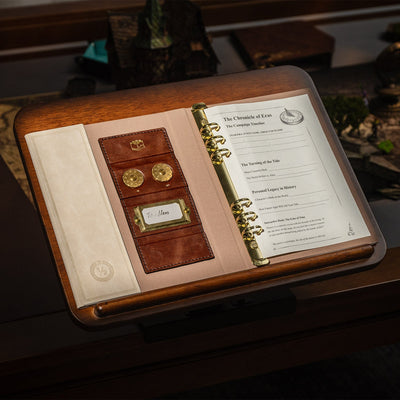
A wood gaming table usually works better when the room already leans traditional, warm, or furniture-first. Dining rooms, mixed-use family spaces, and homes that want the table to read like long-term furniture often benefit from wood because the surface and silhouette feel more natural in everyday life.So Kingswood Accessories make sense in this context. They extend a wood table that already feels like part of the room instead of turning it into a visibly technical setup.

When Metal Works Better
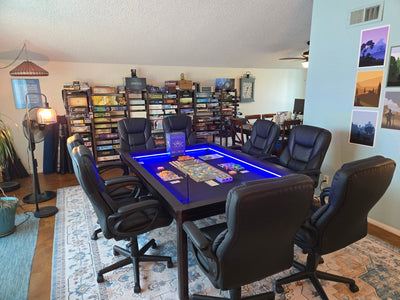
Metal-forward tables usually work better when the room is more modern, more flexible, or more openly game-focused. If layouts change often, seating shifts from week to week, or the room has a cleaner contemporary look, like a modular gaming table for example. The appeal is not only the material. It is the system mindset behind it. Ironside Accessories fit homes where people want reworkable layouts, visible utility, and a setup that can change with the session instead of staying fixed all year.

How Finish, Accessories, and Visible Hardware Change the Room
This is where many people get the comparison wrong. The real difference is not just wood versus metal in isolation. It is what each style does to the room once finish, edge details, rails, and accessories are all visible together. Wood tends to soften the presence of the table and make accessories feel more integrated. Metal tends to create a sharper visual line and make the setup feel more modular and deliberate. Neither is automatically better. One just disappears more easily into traditional furniture language, while the other speaks more clearly to modern utility.

A Simple Decision Framework for Wood vs Metal
| Situation | Better fit |
|---|---|
| Dining room with warm decor | Wood |
| Traditional or furniture-first room | Wood |
| Fixed layout you want to keep stable | Wood |
| Modern minimalist room | Metal |
| Flexible setup that changes often | Metal |
| Visible modular system with add-ons | Metal |
Which Style Usually Fits a Shared Home Better
If the table needs to disappear into the room and read like long-term furniture, choose wood. If the table is meant to function as a visible, flexible system that changes with the way you play, choose metal. That decision rule is usually stronger than asking which material is better in the abstract.