How to Set Up a Gaming Table for Board Games, TCGs, and RPGs
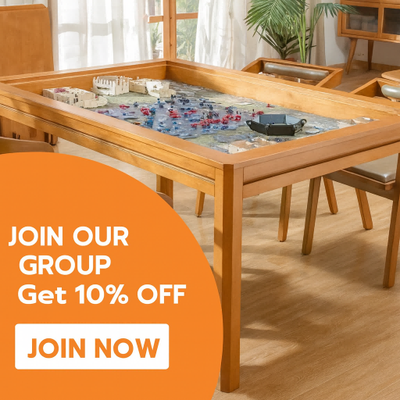
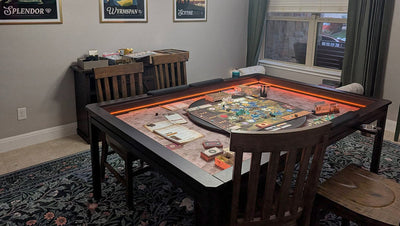
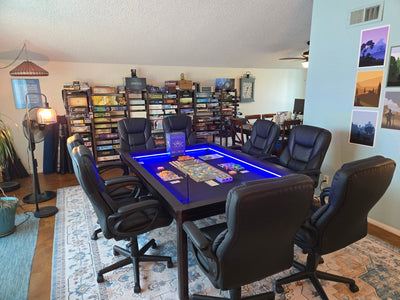
One table can support multiple game types, but only if the setup can change with the night. A layout that works for a board game with shared components usually feels wrong for a TCG session with personal card zones. A layout that works for TCG play can feel too shallow for a campaign RPG once books, dice, trackers, and maps start spreading outward. That is why a "reconfigurable gaming table setup" is not about endless customization for its own sake. It is about making one table useful across different formats without rebuilding the whole room every time.
Table of Contents
- Why One Static Setup Rarely Works Across Every Game Type
- What Changes Between Board Games, TCG Nights, and RPG Campaigns
- A Simple Layout Schema for Each Game Type
- Which Accessories Matter When Flexibility Is the Goal
- How to Reduce Reset Time Between Different Game Nights
- Step-by-Step Reconfiguration Between Game Nights
- When Modular Layouts Beat Permanent Layouts
Why One Static Setup Rarely Works Across Every Game Type
Different games create different pressure points. Board games often need shared center access. TCG nights need cleaner personal zones, hand space, and less clutter crossing player boundaries. RPG campaigns expand sideways as reference tools, notes, and changing play states build up over time. When one layout tries to do all three equally, it usually becomes mediocre at all of them.

What Changes Between Board Games, TCG Nights, and RPG Campaigns
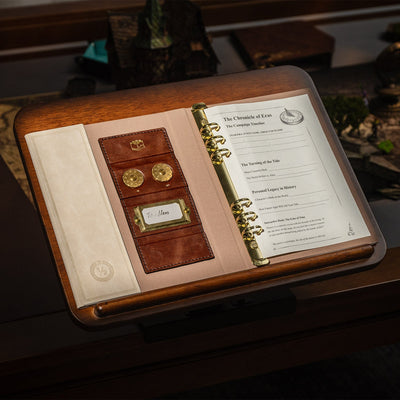
The smart move is not changing everything. It is changing the few zones that matter most. Board game nights often need the center opened up for shared boards, tokens, and resource flow. TCG nights need clearer edge space for mats, decks, discard piles, and stable player symmetry. RPG sessions need more support for reference access, side tools, and the kind of layered play that grows as the session goes on. That is where tools to run better TTRPG campaigns stop feeling optional and start feeling like workflow tools.

A Simple Layout Schema for Each Game Type
Board game layout: keep the largest shared board or tile area in the center, push drinks and overflow pieces off the main surface, and leave each player with only the hand, player board, and immediate components in front of them.
TCG layout: widen the personal zones so each seat has a clear playmat area, deck space, discard space, and token space, while the center stays mostly open except for shared counters or matchup notes.
RPG layout: reduce the demand on the center, keep dice and trackers close to each player, and use the outer edge for reference tools, notes, and support pieces that would otherwise crowd the map area.

Which Accessories Matter When Flexibility Is the Goal
If flexibility matters, the best accessories are the ones that let the table change role without changing tables. A modular gaming table’s structure can adapt as the game changes. Ironside Accessories’ add-ons can shift where player support, side storage, and active tools actually live. Even game table toppers’ surface changes are often part of the reset between one use case and the next.

How to Reduce Reset Time Between Different Game Nights
The real test of a flexible setup is not whether it can change. It is how quickly it can change. If one game type requires a full teardown while another needs an entirely different accessory pattern, the system is still too rigid. A better approach is to keep the base table stable and only swap the outer layer: player support zones, active accessories, surface pieces, and visible reference tools. That reduces setup drag and makes mixed-use play more realistic from week to week.
Step-by-Step Reconfiguration Between Game Nights
Step 1: Clear the center first. Remove rulebooks, dice trays, and temporary accessories so the core surface is visible again before you start rebuilding the layout.
Step 2: Reset the player edges for the next format. For board games, shrink personal footprint and reopen the middle. For TCG nights, expand equal player zones. For RPG sessions, leave room for notes, trackers, and side tools instead of wide card lanes.
Step 3: Move accessories to match the new traffic pattern. Cup support and storage pieces should follow the active hands, not stay where the last game needed them. Ironside Accessories has the support pieces that can shift with the layout instead of locking the whole table into one format.
Step 4: Check the final reach test. If players have to lean over the shared area for basic actions, the table is still arranged for the wrong game.
When Modular Layouts Beat Permanent Layouts
Modular layouts win when the group rotates between game formats, player counts, or room needs often. Permanent layouts win only when the same style of play happens over and over again with almost no variation. If your table has to host board games one night, TCG another, and campaign RPGs after that, flexibility is not a bonus feature, it is what turns a table into a system, not just furniture the setup works.