Board Game Table Design Features That Change How a Session Feels
Table of Contents
Start With the Session Problem
Good board game table design is not about adding every possible feature. It is about removing the repeated friction your group already feels: cramped player zones, cards sliding poorly, drinks sitting too close, campaign maps getting packed away too soon, or chairs blocking movement around the room.
Before comparing wood tone, lights, or rail options, name the session that fails most often. A two-player card night needs different decisions from a six-player RPG, a miniature battle, or a shared dining-room setup. Use this table to connect each feature to the problem it actually solves.
Not every design feature deserves equal priority. The right order is usually play area first, then access, then conversion, then convenience features.
| Feature | Session problem it solves | Decision rule |
|---|---|---|
| Recessed play area | Cards, maps, and tokens need to stay below the dining surface. | Choose it for saved games or long campaigns. |
| Rail system | Drinks, card holders, and trays need to leave the center clear. | Choose it when player edges get crowded. |
| Topper panels | The room needs to return to meals, work, or daily use. | Choose it when the table has two jobs. |
| Surface material | Cards, dice, and miniatures need better handling. | Choose based on the game played most often. |
| Lighting and clearance | Players need readable cards and chairs that move cleanly. | Choose after testing night play and seating. |
Choose the Play Area Before the Outer Look
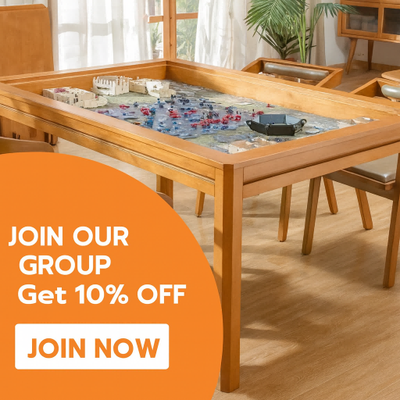
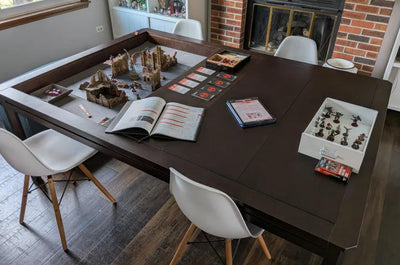
A recessed play area earns its keep when a game pauses for hours or days. It keeps boards, cards, and tokens in a defined zone instead of forcing a full teardown after every session. If your group finishes every game in one sitting, recess depth should rank below surface feel and edge access.
BoxKing board game tables are useful to compare at this stage because the decision is not just table size. It is whether the play area, edge, and topper behavior match the way the room is used after game night ends.

Treat Rails as Space Control
Rail design belongs in the design article because it changes how the edge behaves. A rail can give accessories a defined lane, but it can also reduce usable elbow space if the table is already tight. Judge the rail by hand movement, not by the number of add-ons it supports.
A modular gaming table makes more sense when the same room hosts card games, RPGs, and larger board games, because accessory placement can change without rebuilding the whole setup.

Use Toppers for Shared Rooms
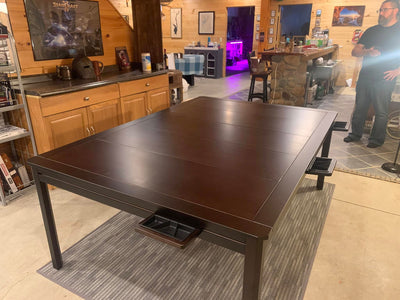
Topper panels change the design brief. A table with a removable top has to handle weight, panel storage, alignment, and daily-room presentation, so the question is structural as much as protective.
Project Ironside game table 2.0 gives this decision a practical shape because the table can move between active play and daily room use. That carries more value than adding features that only help during one type of game.

Match Surface and Lighting to the Games
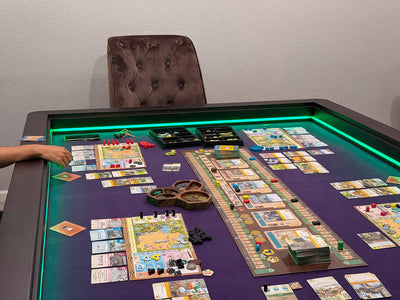
Surface material changes how cards lift, dice sound, and miniatures move. Card games need clean pickup. Miniature games need stable terrain. RPGs need readable notes and map space. LED lighting helps only when it improves visibility from every seat, especially during evening sessions.
The Kingswood premium gaming and dining table belongs in this design conversation when the room needs furniture presence as much as play comfort. Look at the rail, topper handling, leg placement, and finish together, because those details decide how the table behaves between sessions.

Check Chair Clearance and Accessories Last
Chair clearance is a design feature, not only a measuring step. Leg placement, apron depth, rail thickness, and corner access decide whether the same footprint feels open or cramped once people sit down.
Add gaming table accessories only after checking how the design handles hands, elbows, and movement around the edge. If the rail already gives each player a clean lane, accessories can stay minimal; if pieces keep drifting, use targeted holders instead of adding a full set.