Card Game Table Guide: Space, Holders, Drinks, and Player Layout
Table of Contents
- Why Most Card Tables Feel Wrong
- How Much Space Does a Card Game Table Need?
- Rectangle vs Oval vs Octagon: Which Shape Matches Your Games?
- Choosing the Right Playing Surface: Felt, Neoprene, or Hard Top
- Card Game Table Features Worth Paying For
- Storage Is Part of the Table Decision
- How Cup Holders, Rails, and Holders Change Gameplay
- Final Checklist: Choosing the Right Card Game Table
Why Most Card Tables Feel Wrong
Many people choose a card game table by looking only at tabletop size. That is usually the first mistake. A larger surface does not automatically create a better game experience if players still have nowhere to place decks, drinks, accessories, or personal cards.
A real purchase decision should check five things before the table style: usable space, playing surface, storage, accessories, and player layout. A card game table should be judged by what happens after three hours of play, not by how clean it looks before anyone sits down.
How Much Space Does a Card Game Table Need?
Do not size the table only by player count. Size it by the game pattern. A two-player competitive game such as Magic 1v1 needs two personal zones, a shared battlefield, room for deck and discard piles, and enough edge space so sleeves do not slide into drinks.
A four-player Commander pod needs a different layout. Each player needs a protected personal area, and the center must stay clear enough for shared visibility. Six or more players create a reach problem before they create a surface problem. Table shape and edge access should carry more weight than raw square inches.
Rectangle vs Oval vs Octagon: Which Shape Matches Your Games?
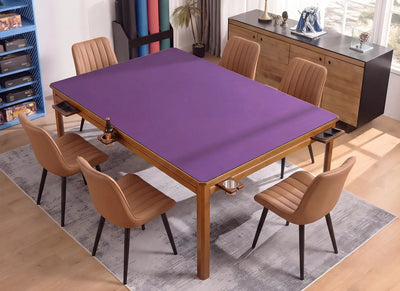
Rectangle tables suit TCG zones, board games, RPG maps, and mixed home gaming. The limit is corner access. If six players crowd a rectangle, corner seats may have weaker reach to the center.
Oval tables suit poker and conversation-heavy card games because players face each other more evenly. The limit is map and board efficiency. Square boards, playmats, and RPG maps can waste more surface on an oval table.
Octagon tables give each player a clearer edge and more equal distance to the center. The limit is mixed use. If the same room handles dining, TCGs, board games, and homework, an octagon may be less flexible than a rectangle.
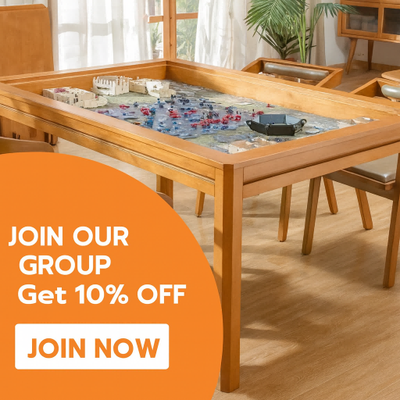
If one surface has to support cards, board games, and RPG nights, a board game table gives more useful flexibility than a single-purpose poker layout.
Choosing the Right Playing Surface: Felt, Neoprene, or Hard Top
Surface material changes how cards move. Felt suits poker and casual card games because cards slide easily and the table feels traditional. The tradeoff is cleaning. Felt can hold crumbs and drink marks longer than harder surfaces.
Neoprene is better for TCG players, sleeved cards, and tournament-style sessions. It gives more grip, reduces unwanted card movement, and makes pickup easier. A hard top or convertible surface makes sense in living rooms because the table may need to handle meals, laptops, and daily use after game night ends.

Card Game Table Features Worth Paying For
Use this table to decide which features deserve money first and which ones can wait.
| Feature | Priority | Worth paying for when | Skip it when |
|---|---|---|---|
| Playing surface | High | Cards, sleeves, poker chips, or tournaments happen often. | The table is used mostly for short casual games. |
| Frame stability | High | Weekly groups play for long sessions or lean on the edge. | The table is temporary and rarely used. |
| Cup holders | Medium | Large groups or weekly hosts need drinks off the surface. | Drinks already stay on a side table. |
| Card holders | Depends | TCG players use several piles or visible reference cards. | The game uses one draw pile and short rounds. |
| Storage | Medium | Decks, sleeves, dice, tokens, or campaign materials stay near play. | Cards already have a clean shelf nearby. |
| Modular topper | Medium | The room switches between games and daily use. | The table stays dedicated to card nights. |
| Extra accessories | Optional | They solve a repeated problem during real sessions. | They only look useful in a photo. |
Storage Is Part of the Table Decision
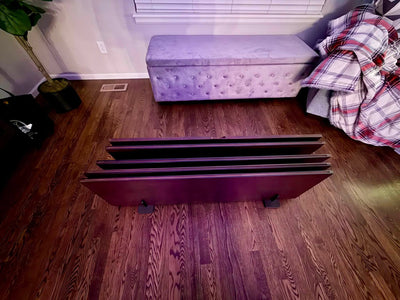
A card game table is easier to justify in a shared room when it reduces storage problems instead of creating new ones. Decks, sleeves, dice, tokens, score pads, campaign notes, and small accessories need a path back to the table. If those items live in random boxes, the table still creates setup friction.
Storage becomes a bigger decision for players who rotate between TCGs, deck-builders, RPG nights, and family games. The table does not need to store every game in the house, but it should support the items used every week.
How Cup Holders, Rails, and Holders Change Gameplay
Accessories should remove a specific problem from the session. Deck and discard holders are worth paying for when TCG players manage a draw pile, discard pile, side pile, and sleeved cards every round. A rail-mounted card holder helps when visible cards need to stay near the player edge instead of taking over the battlefield.
Gaming table accessories should come after the main table choice, not before it. If an accessory does not protect cards, clear the center, reduce spill risk, or speed up turns, it may add clutter instead of value.

Final Checklist: Choosing the Right Card Game Table
If you mostly play Magic, Pokémon, or Yu-Gi-Oh, choose padded surface quality, deck organization, clear player zones, and drink control. If you host poker nights, choose rails, cup holders, comfortable edge support, and a shape that keeps table talk natural.
If you need one table for mixed home gaming, choose modular features, a hard or removable topper, useful storage, and enough edge control for cards, dice, and accessories. The right table is not the largest one. It is the one that supports the games you actually play after the first three hours.